
- admin
- 0 Comments
Meta Description:
Saudi medical innovation in ophthalmology leads global progress in vision care, AI diagnostics, and advanced eye surgery.
Introduction
Saudi Arabia has become a global hub for ophthalmic innovation, combining research excellence, cutting-edge technology, and a national vision focused on healthcare transformation.
Through its ambitious Vision 2030 program, the Kingdom has redefined how eye diseases are diagnosed, treated, and even predicted—turning science into sustainable medical impact.
From Riyadh to Jeddah, advanced eye centers and research institutes are reshaping the regional landscape of visual healthcare, setting new benchmarks for precision, accessibility, and innovation.
National Vision for the Future of Sight
The development of Saudi ophthalmology is closely tied to Vision 2030, which prioritizes medical innovation and research.
Under the Ministry of Health’s Smart Eye Initiative, AI systems now analyze retinal images to detect early signs of diabetes and glaucoma with remarkable accuracy.
Integrated digital health platforms connect clinics and hospitals nationwide, allowing seamless data exchange and tele-ophthalmology consultations.
Universities have also established Centers of Excellence dedicated to applied vision science, making Saudi Arabia a regional leader in ophthalmic research.
Research and Technological Achievements
Saudi institutions have achieved impressive milestones in ophthalmic technology, including:
- The development of the first Saudi smart lens, adaptive to light and temperature.
- AI-based predictive models that anticipate the progression of retinal diseases.
- Laser-assisted corneal transplant techniques reducing recovery time and improving precision.
- The Saudi Ocular Genome Project, mapping hereditary eye diseases in local populations.
Hospitals such as King Khaled Eye Specialist Hospital and King Abdulaziz Medical City have built extensive databases supporting machine learning and clinical research, reinforcing Saudi leadership in data-driven medicine.
Technology and Artificial Intelligence
AI now plays a pivotal role in Saudi ophthalmology.
At King Khaled Eye Hospital, advanced algorithms detect diabetic retinopathy in seconds, improving diagnostic efficiency and accessibility.
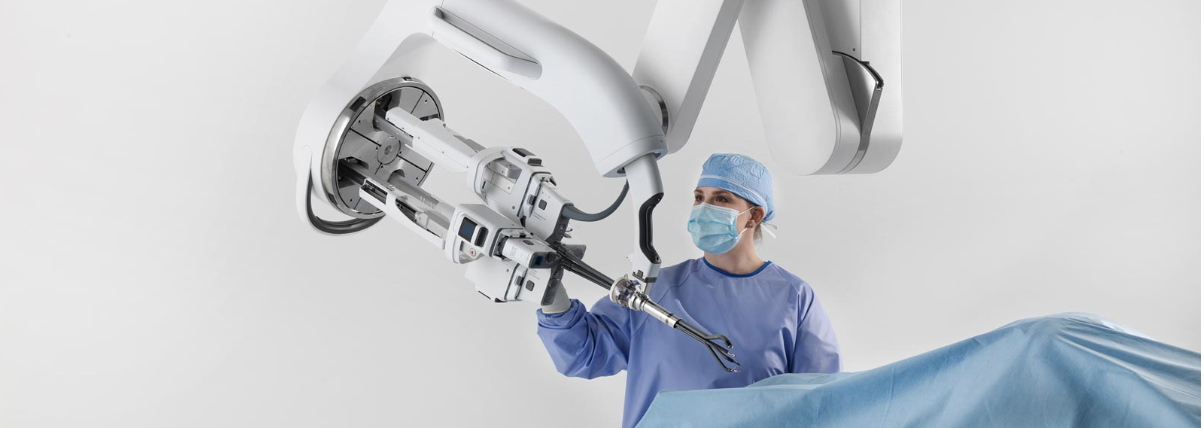
Robotic systems assist surgeons during LASIK and lens implantation, enhancing precision by up to 30%.
University labs employ deep-learning tools to predict surgical outcomes and personalize treatment plans.
Through this synergy between human expertise and machine intelligence, Saudi Arabia stands at the forefront of future medicine in eye care.
Global Collaboration and Ambition
Saudi innovation extends beyond its borders through partnerships with global leaders like Mayo Clinic and Johns Hopkins University.
These collaborations drive joint research, fellowship programs, and shared technological development in retinal and corneal diseases.
The Kingdom also hosts the Saudi International Ophthalmology Conference, now a major event in the global eye-care calendar.
Through such efforts, Saudi Arabia is transforming into a world-class center for vision science, combining research, education, and innovation to serve humanity.
Saudi medical innovation in ophthalmology reflects more than technological progress—it embodies a human-centered transformation that merges science, compassion, and national vision.
As Saudi Arabia continues its march toward global leadership, it not only restores sight but also envisions a brighter, clearer future for generations to come