- admin
- 0 Comments
Meta Description:
Choosing the intraocular lens is a vital medical decision that shapes visual quality after cataract surgery.
Choosing the intraocular lens (IOL) is one of the most critical decisions following cataract surgery.
While the procedure restores sight by removing the clouded natural lens, the type of IOL implanted largely determines how clearly—and comfortably—the patient will see afterward.
In the past, cataract surgery focused mainly on restoring vision. Today, it aims to enhance the quality of life, offering patients freedom from glasses, sharper vision, and even smart lenses that adapt to light and distance automatically.
Understanding Intraocular Lenses
An intraocular lens (IOL) is a clear, artificial lens placed inside the eye after the natural one is removed.
Made of safe materials like acrylic or silicone, it remains stable for life without maintenance.
The main types include:
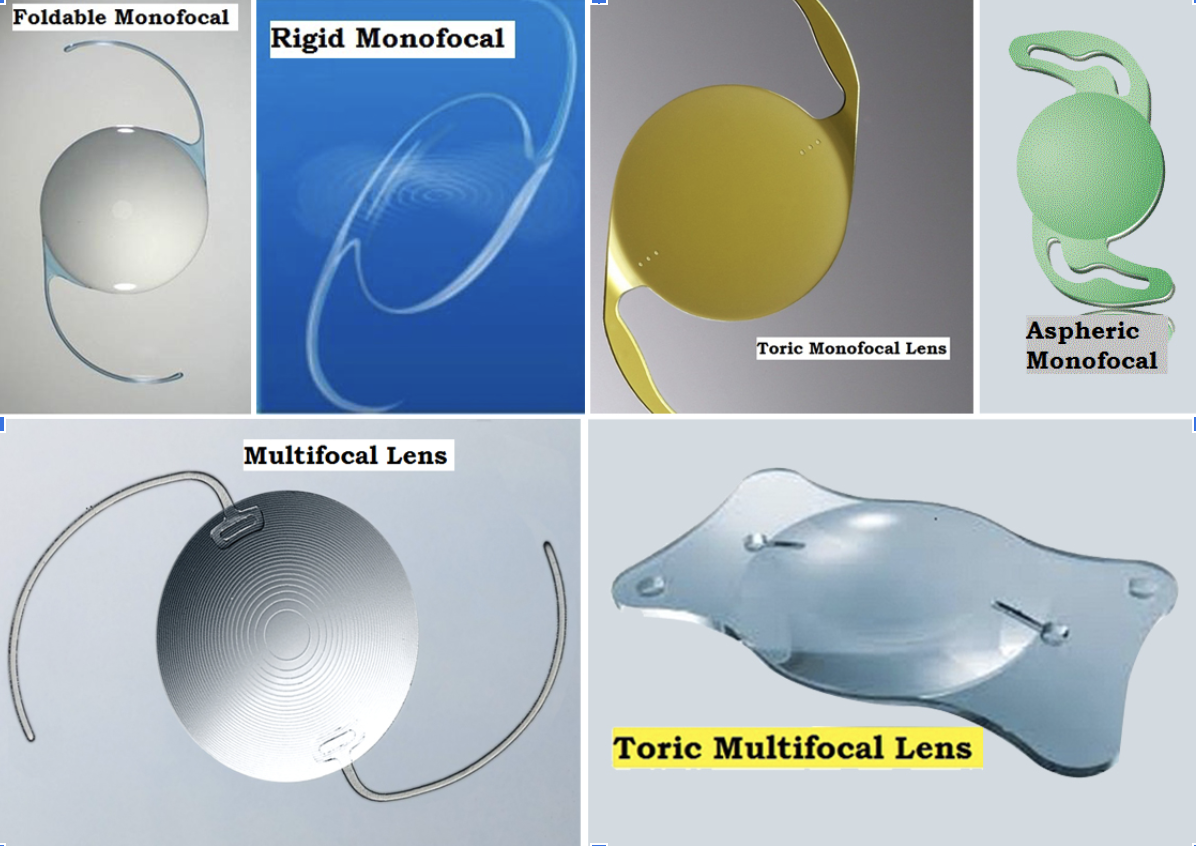
- Monofocal IOLs: Clear vision at one distance, usually far; glasses are needed for near tasks.
- Multifocal IOLs: Provide focus at multiple distances—near, intermediate, and far.
- Extended Depth of Focus (EDOF): A balanced option that reduces halos and glare while improving mid-range vision.
- Accommodative IOLs: Move slightly inside the eye, mimicking the eye’s natural focusing ability.
- Toric IOLs: Correct astigmatism for sharper overall vision.
The best choice depends on the eye’s health, the patient’s expectations, and daily lifestyle.
How Doctors Choose the Right Lens
Selecting an IOL is a science and an art.
Ophthalmologists perform precise tests to measure:
- Axial length of the eye
- Corneal curvature (keratometry)
- Anterior chamber depth
- Coexisting eye diseases (e.g., glaucoma, diabetic retinopathy)
Advanced formulas such as Barrett Universal II help determine the ideal lens power.
Equally important is understanding the patient’s visual habits:
- Heavy readers or office workers may prefer multifocal lenses.
- Night drivers may benefit from monofocal or EDOF lenses.
- Patients with retinal conditions are advised to use simpler lenses for stable outcomes.
Ultimately, the best IOL is not the most expensive—it’s the one that best fits the patient’s life.
The Revolution of Modern Lenses
Recent years have witnessed an explosion of innovation in IOL technology.
- Nanocoated lenses reduce protein buildup and maintain long-term clarity.
- Programmable smart lenses—still in development—will adjust focus electronically via light or magnetic stimulation.
- Photochromic IOLs change tint automatically under bright light, easing eye strain.
- Adjustable lenses can have their power fine-tuned post-surgery using a special laser.
These breakthroughs transform cataract surgery into a personalized visual restoration, tailored to each individual’s needs.
Challenges and Future Outlook
Despite remarkable progress, challenges remain.
Some patients experience halos or glare with multifocal lenses, while smart lenses are still costly and less accessible.
The future, however, is promising.
Research is moving toward AI-integrated lenses capable of monitoring intraocular pressure or detecting biochemical changes in eye fluids—helping diagnose glaucoma or diabetes early.
Such “bio-intelligent lenses” will turn the human eye into a real-time diagnostic system.
Choosing the intraocular lens is no longer just a technical choice but a deeply personal one.
Each eye tells a unique story, and every lens must match its vision.
With continuous innovation, the implanted lens of tomorrow will not only restore sight—it will become part of the intelligent human vision system, blending biology and technology seamlessly.